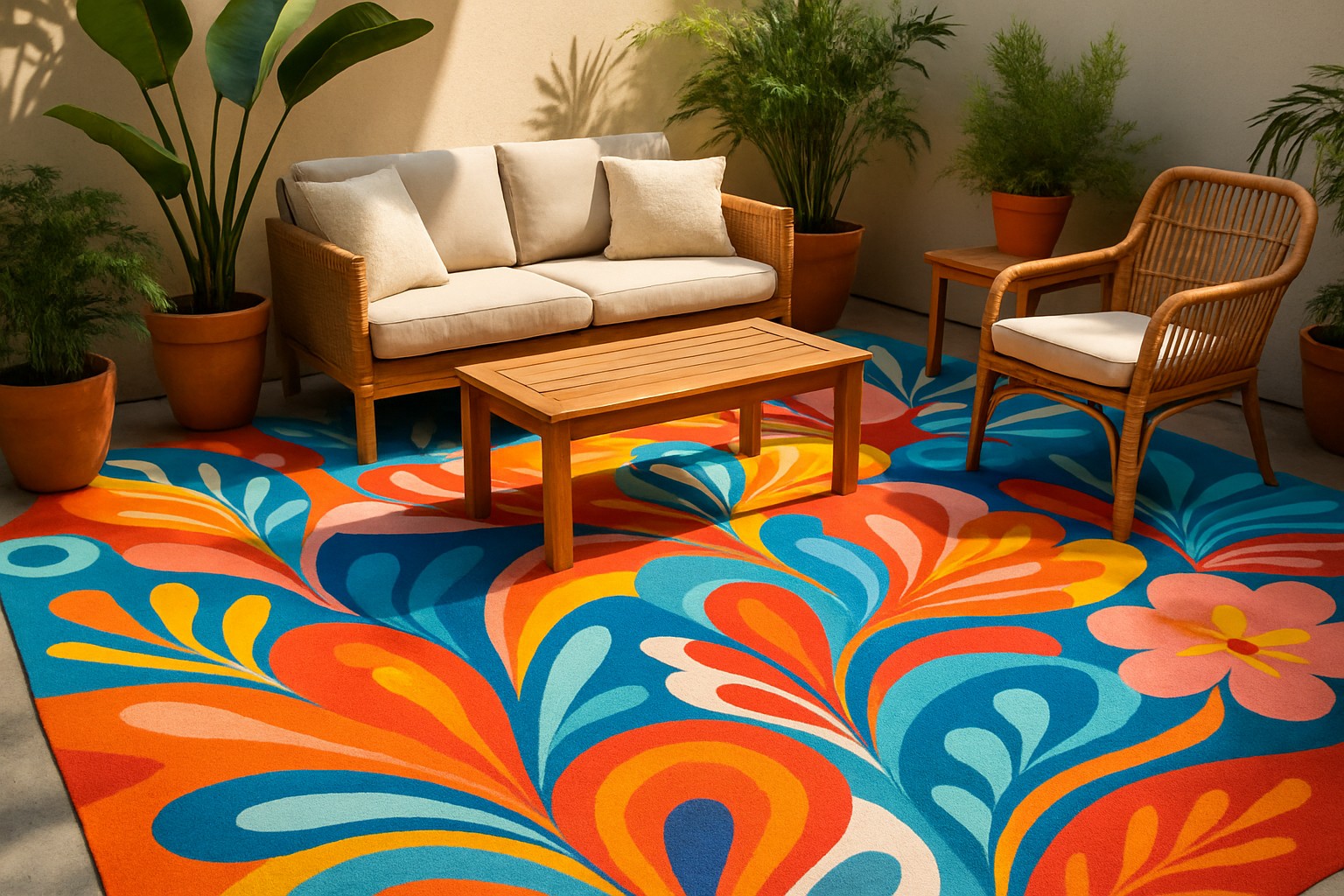
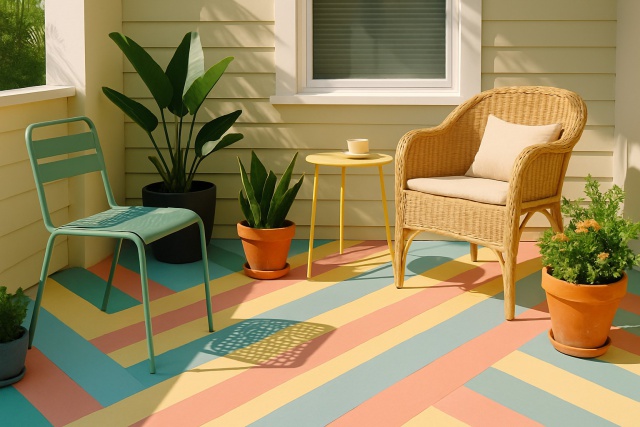
A lot of homeowners and DIY enthusiasts often ask, 'can I paint outdoor carpet?' as a sensible way to personalize their outdoor spaces without buying new carpet. This article dives into painting outdoor carpets and walks you through the materials you’ll need and the potential pitfalls to watch out for. It covers picking the right kind of paint, prepping the surface properly, and the best techniques to score a finish that’s durable and easy on the eyes—all without wrecking those delicate carpet fibers.
A Closer Look at Outdoor Carpet Materials—What You Need to Know
Outdoor carpets are usually made from synthetic fibers like polypropylene, olefin and nylon. These materials are designed to tough it out in the great outdoors but each one has its own quirks when handling paint and moisture.
What Makes Outdoor Carpets Stand Out from Their Indoor Cousins
Outdoor carpets are built to take a punch from UV rays and shrug off water while braving rough weather—all factors that affect how paint sticks to them. Unlike their indoor cousins who tend to be softer and soak up paint like a sponge, outdoor carpets have a tighter weave and synthetic coatings that increase durability but don’t make it easier for paint to sink in. When painting outdoor carpet, you need to understand these quirks to ensure the paint sticks well and remains flexible—no cracking or peeling under the blazing sun, nasty rain or nonstop foot traffic. Their natural resistance to moisture and fading ups the ante, turning the painting process into a delicate balancing act.
Is It Really Possible to Paint Outdoor Carpet? A Guide to Can I Paint Carpet Outdoor
Painting outdoor carpet can be a bit of a headache since synthetic fibers repel water and resist fading. This means getting paint to stick properly isn’t exactly easy. The biggest headaches usually come from poor adhesion and the paint cracking when the carpet bends. Wear and tear from constant exposure to sunlight and moisture also cause problems.
Paint tends to peel or crack since carpet fibers constantly bend and shift which makes stiff paint eventually give up and break down over time.
Strong UV exposure can quickly fade colors and steal the painted surface’s visual pop before you know it.
When paint seeps deep into the carpet fibers they can stiffen up and lose the nice flexible feel you’re used to.
Cleaning a painted outdoor carpet is a balancing act because scrubbing too hard might peel off the paint layer.
Painting an outdoor carpet might void the manufacturer’s warranty especially if it changes the original fiber’s natural quirks.
These problems happen because outdoor carpets are made from tightly woven synthetic fibers that don’t let paint stick easily. It’s like trying to glue something onto a slick surface that usually doesn’t hold up. On top of that, spending a lot of time in the sun causes many paints to break down chemically. This is similar to how your favorite shirt fades after too many sunny afternoons. Carpet fibers aren’t rigid like wood or concrete. They are always moving and bending, so paint that is too stiff ends up cracking like dried-up mud when the carpet flexes.
Best Paint for Outdoor Carpet A Handy Guide
Choosing the right paint for outdoor carpet is about finding one that sticks to synthetic fibers and can stretch to keep up with the carpet’s natural movement. It also needs to tough it out against whatever weather throws at it.
The paint has to stay flexible once it’s dry so it won’t crack every time someone walks on the carpet, which is a real lifesaver.
UV resistance is a big deal here because it helps keep the color from fading away under the relentless sun—nobody wants a dull-looking carpet.
Water resistance comes in handy too, shielding the paint from the usual suspects like rain and humidity that can really do a number on the finish.
Good adhesion is key since it makes sure the paint grips tightly onto those synthetic fibers, preventing any pesky peeling or flaking.
Paints that dry quickly are a blessing because they cut down on dust and debris sticking during application, making the whole process less of a headache.
Brands like Martha Stewart’s fabric spray paint and the specialized acrylic outdoor paints from people like Rust-Oleum tend to strike a pretty good balance between sticking well and staying flexible, which makes them a reliable pick for outdoor carpet projects. These paints usually seep into synthetic fibers more smoothly and hang onto their color a lot better when faced with the sun’s relentless UV rays.
How to Get Your Outdoor Carpet Good and Ready for Painting
Preparing the outdoor carpet before painting is absolutely key if you want the finish to last. It’s all about giving the carpet a good scrub to wash away dirt, dust and oils and then letting it dry completely.
1
Whisk away any loose debris, leaves or dirt from the carpet with a trusty broom or vacuum. Getting this step right makes the rest a breeze.
2
Treat the carpet to a thorough scrub with a mild detergent mixed with water because this helps lift stubborn grime and oils hiding deep down.
3
Let the carpet dry completely ideally outdoors soaking up some sunshine or in a well-ventilated spot to keep any pesky mildew at bay.
4
Find a discreet corner on the carpet to apply your chosen paint so you can see how the color holds up and whether the fibers play nice.
5
Keep an eye on this test patch for at least 24 hours to make sure the paint sticks without causing any unwanted discoloration or turning the fabric stiff. Patience is key here.
Every step in the prep work plays a important role in dodging common headaches like paint refusing to stick or mold cropping up beneath damp carpet fibers. Cleaning removes all the stuff that could block the paint from soaking in. Thorough drying ensures no moisture lingers beneath the surface and causes bubbling or peeling down the line.
How to Paint Outdoor Carpet Without Doing It Any Harm
Paint outdoor carpet effectively by applying paint in thin even layers using the right tools like brushes or rollers or spray cans—whichever you prefer. Ideally, choose a dry sunny day because it helps the paint dry faster and saves you from impatient tapping. Good ventilation and moderate temperatures help the paint cure better.
1
Gather all your painting gear including the paint you carefully picked out and brushes, rollers or even spray paint cans if you are feeling fancy. Do not forget painter's tape to keep edges crisp and protective gloves to save your hands from looking like a Jackson Pollock original.
2
Choose a well-ventilated outdoor spot that’s not too windy because nobody wants a dust party crashing their fresh paint job.
3
Apply thin even coats and try to work with the direction of the carpet fibers. This trick helps the paint sink in just right, almost like the carpet is giving it a warm welcome.
4
Let each coat dry completely by following the manufacturer's instructions that usually take a few hours. Rushing this step is like skipping an important plot twist. Taking your time here helps build long-lasting durability.
5
Use a clear sealant that works well with both the paint and carpet material. This step improves weather resistance and keeps your handiwork looking sharp for a long time.
Try not to slather on the paint too thickly since heavy coats often drip or crack and make carpet fibers stiff and unhappy. Steer clear of painting on damp or wet carpet. Trapped moisture creates the perfect conditions for mold or paint that refuses to stick.
How to Care for Painted Outdoor Carpet (Without Losing Your Mind)
To keep your painted outdoor carpet looking sharp and standing up to the elements, it’s wise to stick with gentle cleaning methods and avoid harsh chemicals like the plague. You’ll probably find yourself doing a bit of regular touch-up work to tackle wear and tear from foot traffic or the old weather—nothing too daunting, but definitely worth it.
Gently clean the carpet using mild soap and water with a soft brush or sponge while taking care not to rough up the paint.
Avoid bleach, ammonia or any harsh detergents—they’re notorious for making the paint fade or peel faster than you would like.
Keep an eye on the carpet and quickly touch up any chipped or worn spots as soon as they catch your attention.
Roll up or cover the carpet when tough winter weather or heavy rain is coming. This protects it from too much moisture and sun.
Situations Where Painting Outdoor Carpets Might Just Be a Slip-Up
Painting outdoor carpet is generally not the best move when the carpet's seen better days—think old, heavily worn or stained beyond a good scrubbing, or completely waterlogged. In scenarios like these, paint tends to throw in the towel and refuses to stick properly. It often calls more attention to flaws you might have hoped to hide and speeds up the wear and tear on the fibers.
Instead of going the painting route, you might wonder, can I paint carpet outdoor? A better solution is to give carpet dyes made specifically for synthetic fibers a shot. These little wonders soak right in instead of just sitting on top like a bad haircut. Alternatively, swapping out the carpet entirely for pre-colored options—available in an array of patterns and textures—can be a real timesaver.
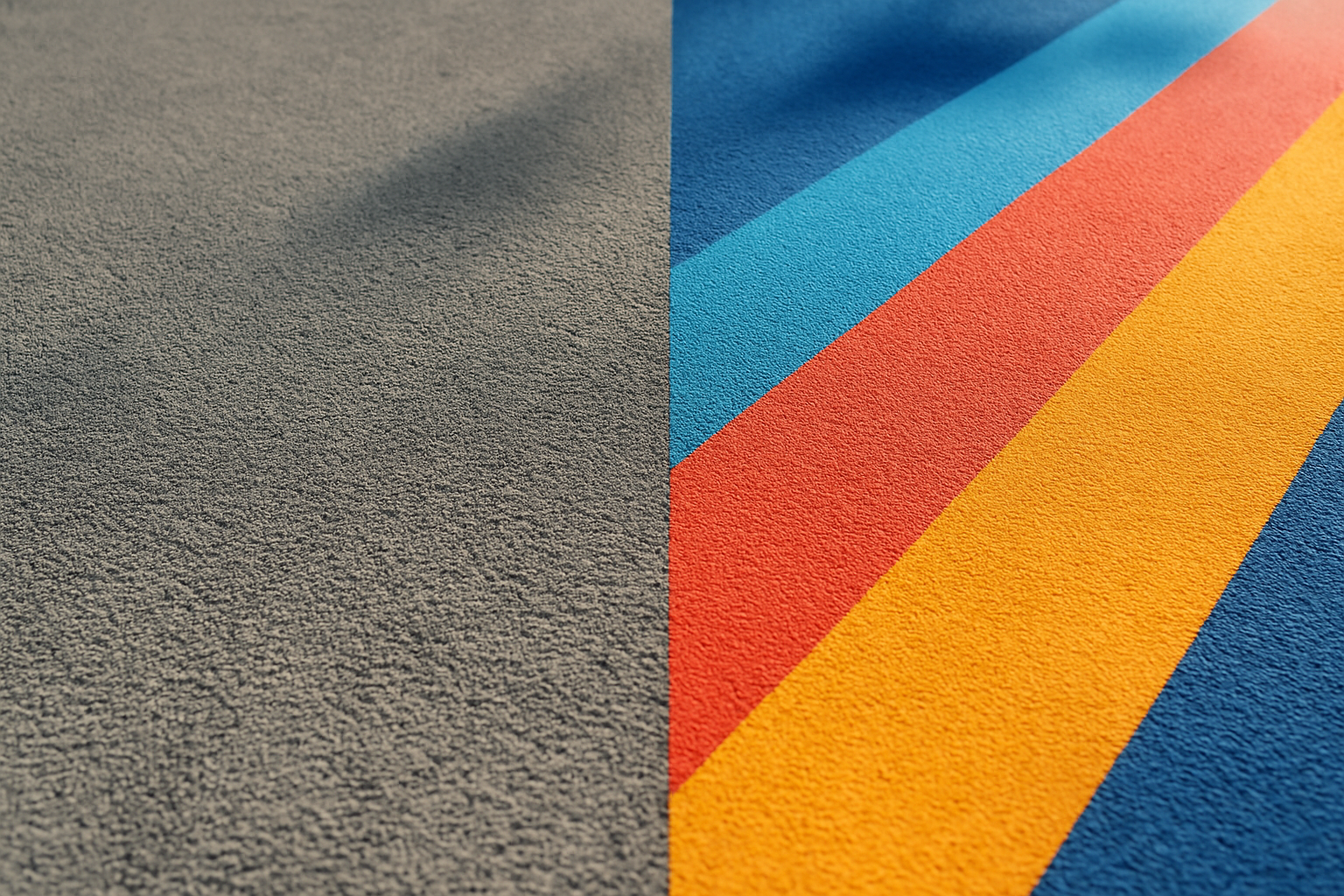
Example image showing a painted outdoor carpet before and after painting to illustrate possible outcomes
Frequently Asked Questions
What is the best type of paint to use on outdoor carpet?
Acrylic paints or spray paints formulated for fabric usually do the trick. Look for ones that offer flexibility and UV resistance and are meant to brave the outdoors — brands like Rust-Oleum or Martha Stewart come to mind. These paints bond well with synthetic fibers and stand up to the weather without cracking or peeling too soon.
Will painting my outdoor carpet make it stiff and uncomfortable to walk on?
It can, especially if you apply thick coats. The secret is applying thin, even layers of flexible fabric paint. That way, the coating stays light and lets the carpet keep some of its original softness and bounce, although it likely won’t feel as cushy as before.
How long will a painted outdoor carpet last before it needs a touch-up?
That depends on how much sun it soaks up and the amount of foot traffic it endures. Typically, you’re looking at about one to two seasons before fading or wear becomes hard to ignore. Adding a clear sealant compatible with your paint can stretch its lifespan. It’s smart to give your carpet a yearly once-over and patch any worn spots to keep it looking sharp.
Can I just use regular outdoor paint on my carpet?
No, regular outdoor paint tends to be too stiff and will probably crack or peel as the carpet fibers flex and move. You want paint made to stay flexible and cling to synthetic materials. Using the wrong kind is a common reason these projects fail and can damage your carpet.
Is it easier to paint or dye an outdoor carpet?
Dyeing wins if you can get a dye formulated for synthetic fibers like polypropylene. Dyes soak into the fibers instead of just sitting on top which often results in a more even color and keeps the carpet feeling softer. That said, dye options can be harder to find, so painting often ends up as the more doable DIY route.
What is the most common mistake people make when painting outdoor carpet?
The biggest blunder is skipping proper prep. Painting over dirt or moisture almost guarantees the paint won’t stick and will fail sooner rather than later. Always clean your carpet thoroughly with mild detergent, let it dry completely under the sun, and do a test patch in a hidden corner before going all in.
With years covering global economic trends, she translates complex financial concepts into actionable insights for small business owners and individual investors.