Brass is a trusty metal alloy found in household items like doorknobs, lamps and decorative accents, but many wonder: does brass oxidize? It goes through a chemical makeover over time that leads to tarnish and the green patina some people find charming while others do not.
What Exactly Is Brass and Why Do We Keep Choosing It for Our Homes?
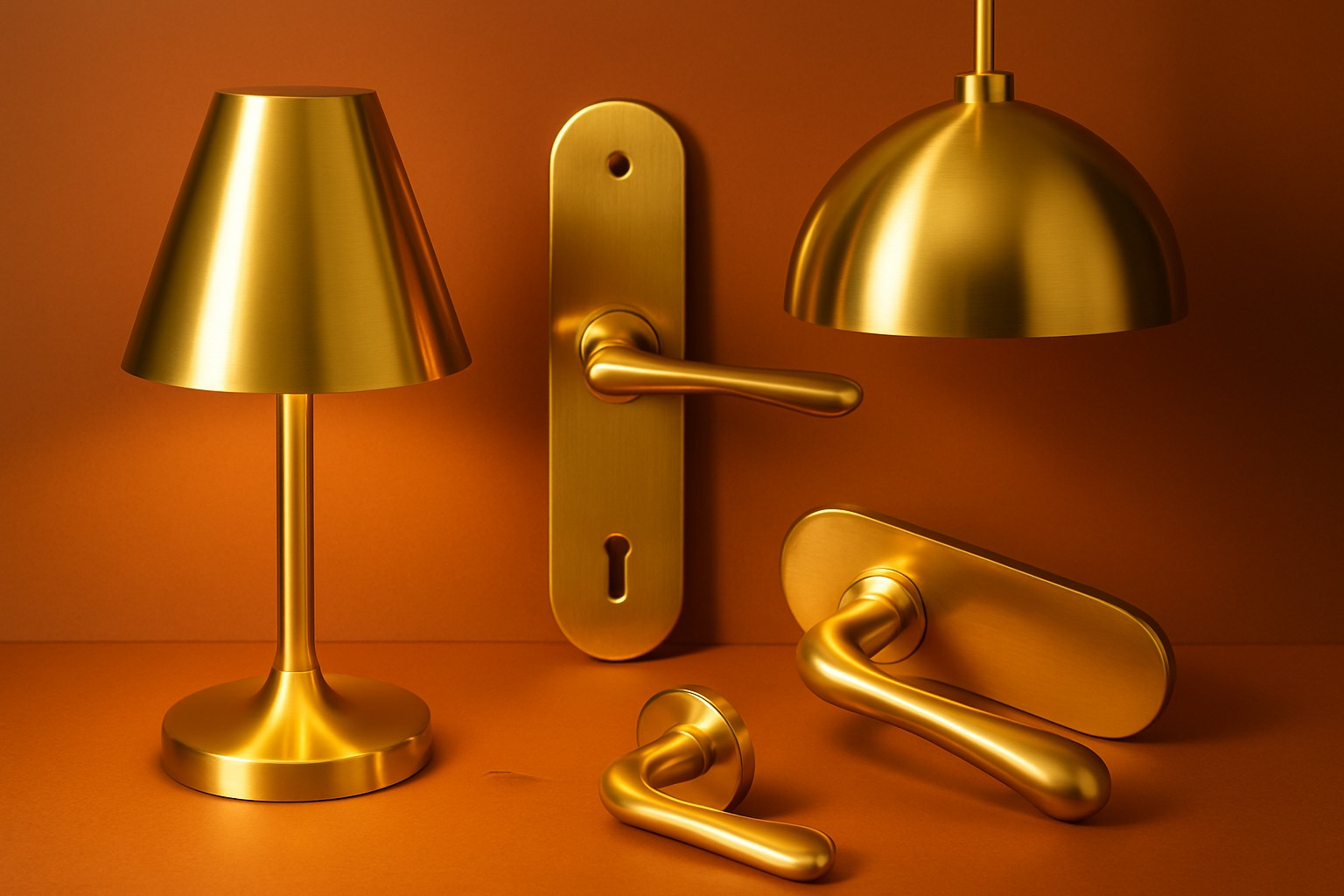
Brass is an alloy made mostly of copper and zinc. This combo gives it a warm inviting golden hue. It stands up well against corrosion and is easy to shape and mold.
Does Brass Oxidize? Let us Dive Into the Science Behind It
Oxidation kicks in when metals meet oxygen and other pesky elements like moisture. Brass is a combo of copper and zinc and has a unique way of reacting. Copper usually takes the spotlight by tarnishing and developing a patina while zinc likes to quietly corrode away.
Copper has a knack for oxidizing into copper oxide which slowly darkens the brass surface over time.
Zinc on the other hand tends to corrode when things get humid or salty and typically forms zinc oxide and other salts.
Humidity and pollutants along with air exposure can really speed up the oxidation process.
These chemical reactions can form oxides, sulfides and carbonates on brass which give it a changed look that is often hard to miss.
What Causes That Pesky Green Buildup on Brass?
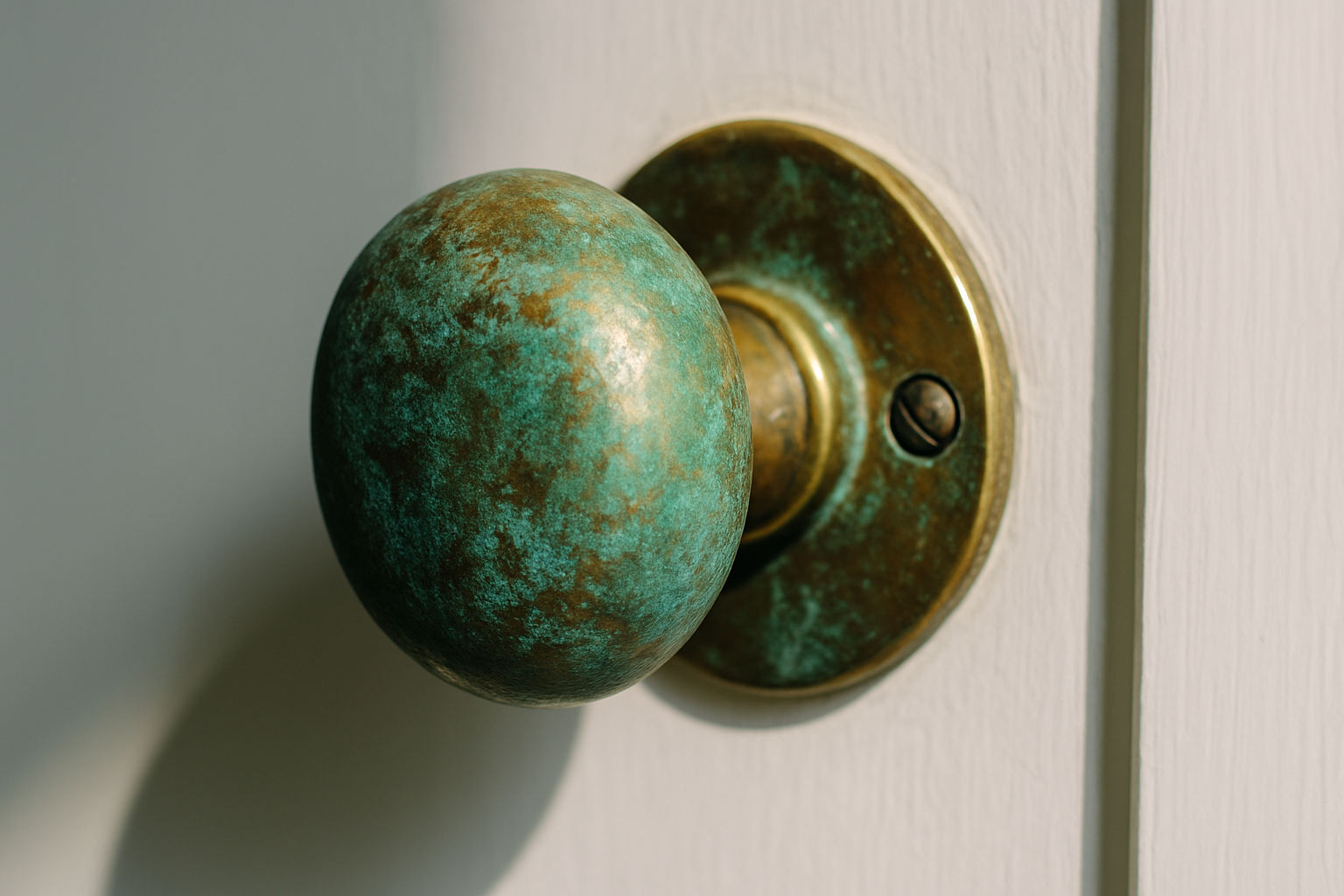
The green layer you often spot on brass is known as verdigris. It’s a bit like nature’s own patina formed from copper salts such as copper carbonate or copper acetate. This happens when the copper in the brass mingles with moisture and carbon dioxide in the air along with a few acidic substances.
Spending a lot of time around moisture or humid conditions tends to fast-track the formation of verdigris almost like it’s eager to make its green debut.
Acidic or salty environments like those salty breezes near the coast often play a starring role in encouraging that familiar green buildup.
Hanging out for extended periods in polluted air usually cranks up the pace of copper salts developing as if the atmosphere itself has a hand in it.
Handling brass with bare hands leaves behind oils and acids that team up to promote oxidation and that unmistakable green tarnish.
Brass doorknob showing characteristic green verdigris buildup resulting from oxidation
Common Misunderstandings About Brass and Oxidation
Sometimes brass gets a bit of a bad rap when it starts to change color, but it’s not as straightforward as many think. Let’s clear up some misconceptions that tend to trip people up whenever they hear the word "oxidation" in the same sentence as brass.
Many people believe that brass never tarnishes or that the green buildup means it is permanently damaged. Some even assume that a good polish will keep oxidation at bay for good. Brass does tarnish over time—the green patina is really just a surface layer that can be reversed.
Brass isn’t completely impervious to corrosion and will eventually start to tarnish when left out in the open.
That greenish gunk you often see called verdigris isn’t always a problem because most of the time it can be cleaned off easily.
Oxidation is a natural process that continues quietly in the background and doesn’t always cause damage.
Even brass polished to a mirror finish will begin to oxidize quickly so keeping it shiny requires regular care.
How You Can Keep Brass Shiny and Dodge That Pesky Green Buildup
Preventing oxidation is mostly about keeping a close eye on the environment surrounding brass objects and giving their surfaces some tender loving care. Making it a habit to keep brass dry and clean it gently, avoid harsh chemicals that can do more harm than good and apply protective coatings usually does the trick to slow down tarnish and that pesky green buildup.
1
Always keep brass items dry and avoid exposing them to too much humidity or water because moisture is their worst enemy.
2
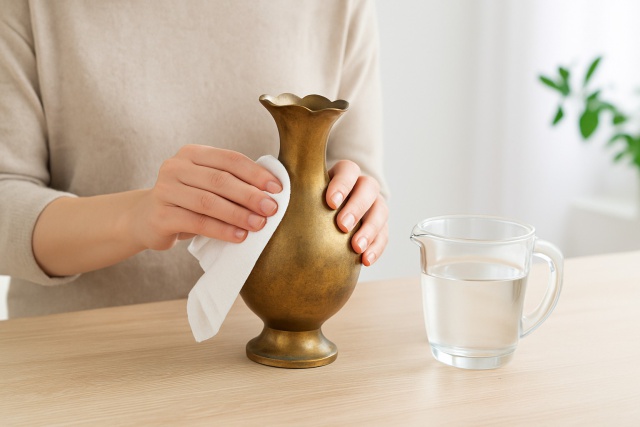
Give your brass a gentle scrub with mild soap and warm water to remove dust and oils that accumulate unnoticed from time to time.
3
Avoid using anything abrasive or acidic when cleaning as these can really damage the metal’s surface.
4
Applying a clear lacquer or wax-based coating helps protect the brass by creating a shield against air and moisture.
5
Store your brass treasures in low-humidity spots, ideally wrapped in a soft cloth or placed in sealed containers for extra protection.
6
Wearing cotton gloves when handling polished brass is a smart way to prevent oils and acids from your skin from dulling the shine.
How to Clean and Bring Back the Shine to Brass with That Pesky Green Buildup
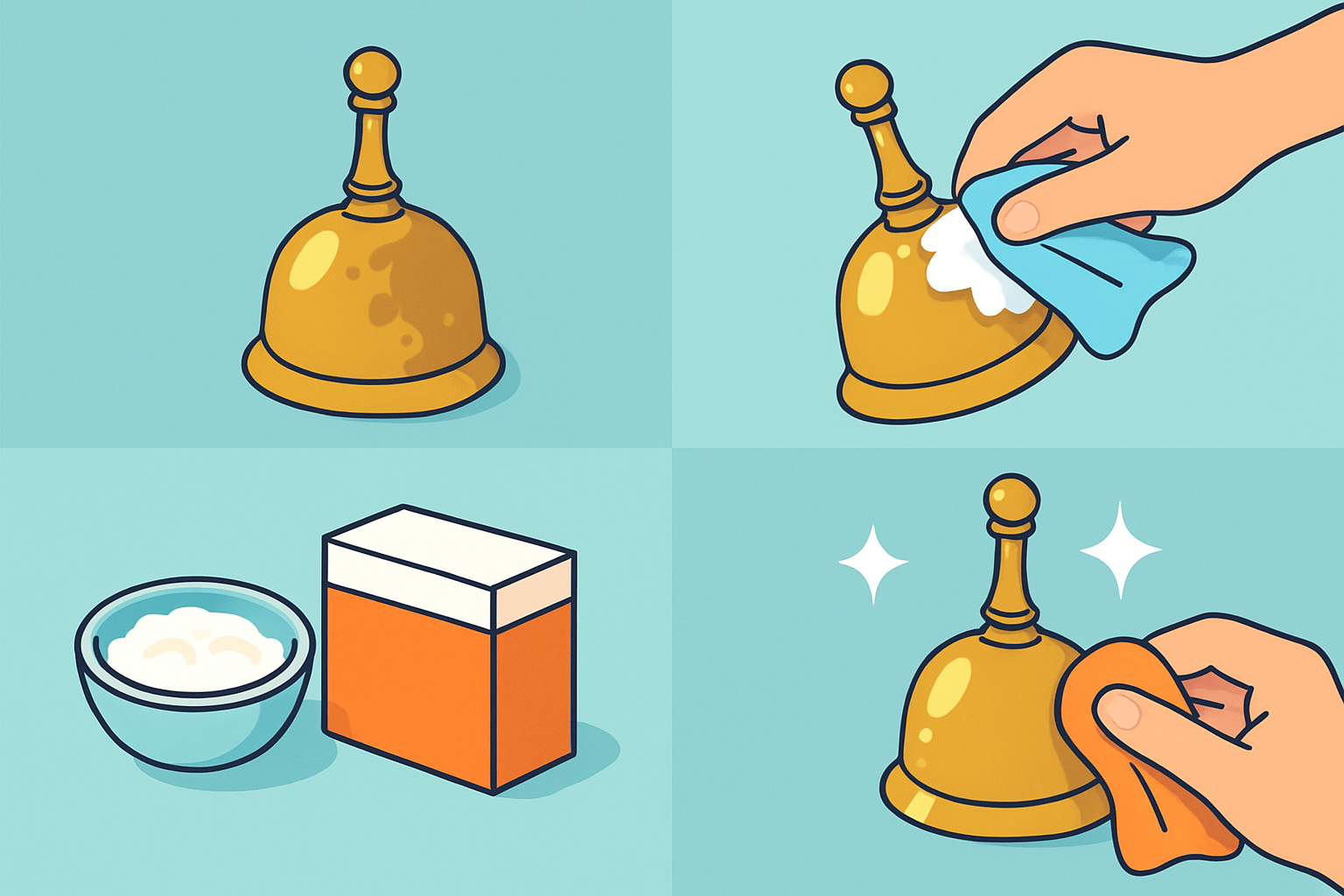
Cleaning green buildup from brass definitely calls for a gentle touch—that’s the secret to avoiding scratches or damage to the metal. You’ve got options here. Either whip up a homemade cleaner or grab something from the store to safely tackle stubborn oxidation and restore the shine. Stick to a clear game plan: first, take a good look to assess the damage. Then clean carefully and thoroughly. Polish if you’re feeling fancy.
1
Start by taking a good look at how much oxidation or verdigris has set in. This little step really helps you gauge just how heavy-duty your cleaning needs to be.
2
Gently brush away any loose dirt and debris with a soft cloth or a non-abrasive brush. Think of it as giving your brass a gentle wake-up call.
3
Reach for natural cleaners like a homemade paste of baking soda and lemon juice or a diluted vinegar solution to tackle that stubborn green buildup without being too harsh.
4
Rinse your brass thoroughly with warm water and make sure to dry it completely because you don’t want to invite more oxidation to the party.
5
If you’re feeling fancy, buff the brass with a polish made just for it to coax back some of that original shine and charm.
6
Apply a protective wax or a clear lacquer so it’s like giving your brass a stylish raincoat to keep it looking fresh and slow down future tarnish.
Visual guide demonstrating safe cleaning and restoration of brass with green buildup using household materials
When It’s Definitely Time to Call in the Pros for Brass Restoration
Certain brass items especially antiques or prized collectibles often call for more expert TLC than your usual home cleaning routine. When does brass oxidize to the point of deep corrosion or structural issues, and when it starts messing with delicate finishes, leaving it to the pros is generally the safest bet.
Significant pitting or deep corrosion that seriously affects the brass's strength or appearance.
Cracks or breaks caused by oxidation that compromise the item's integrity.
The piece is an antique or holds important sentimental or financial value so it deserves extra care.
Delicate finishes, engravings or intricate details that require expert restoration techniques to avoid mishaps.
Summary Taking a Closer Look at Brass and the Best Ways to Keep It Shining
Frequently Asked Questions
Is the green stuff on my brass harmful?
Nope, that greenish layer called verdigris is basically a surface patina made of copper salts and usually won’t mess with the metal underneath. You can clean it off if it’s bugging you. Just a heads-up: if your brass is used for food, it’s best to give it a thorough cleaning to remove any oxidation before you start handling it.
How often do I need to clean my brass to prevent tarnish?
Well, it depends on where you keep your brass. If it’s in a dry indoor spot, a light clean every few months usually does the trick. But if you live near the coast or somewhere humid, you might need to wipe it down every month to keep tarnish at bay. Regular dusting and keeping the brass dry can surprisingly stretch the time between cleanings.
Can I use ketchup to clean brass, as I have heard?
Yep, ketchup can do the job as a mild acidic cleaner thanks to the vinegar and tomatoes in it. Just smear a bit on, let it sit for a few minutes, then rinse and dry carefully. That said, if you have stubborn green buildup, a baking soda paste or a specialized brass cleaner usually works better — ketchup’s great but not a miracle worker.
Does a protective lacquer coating last forever?
No, lacquer won’t last forever. Over time it can wear off, chip, or yellow especially if the item gets a lot of use. You’ll probably need to reapply the lacquer every few years or more often if it’s on something like a doorknob. Just make sure the surface is spotlessly clean before applying a new coat.
Should I remove all tarnish, or is some patina desirable?
This depends on your personal taste. If you prefer a bright, shiny look, removing every bit of tarnish makes sense. But many people appreciate the character that a darker, aged patina brings to antiques or decorative pieces — it tells a story. That said, green verdigris usually means the item’s been neglected, so most people remove it to restore the brass.
As a researcher in digital wellness studies, she examines the intersection of technology and mental health, offering evidence-based strategies for thriving in our connected world.