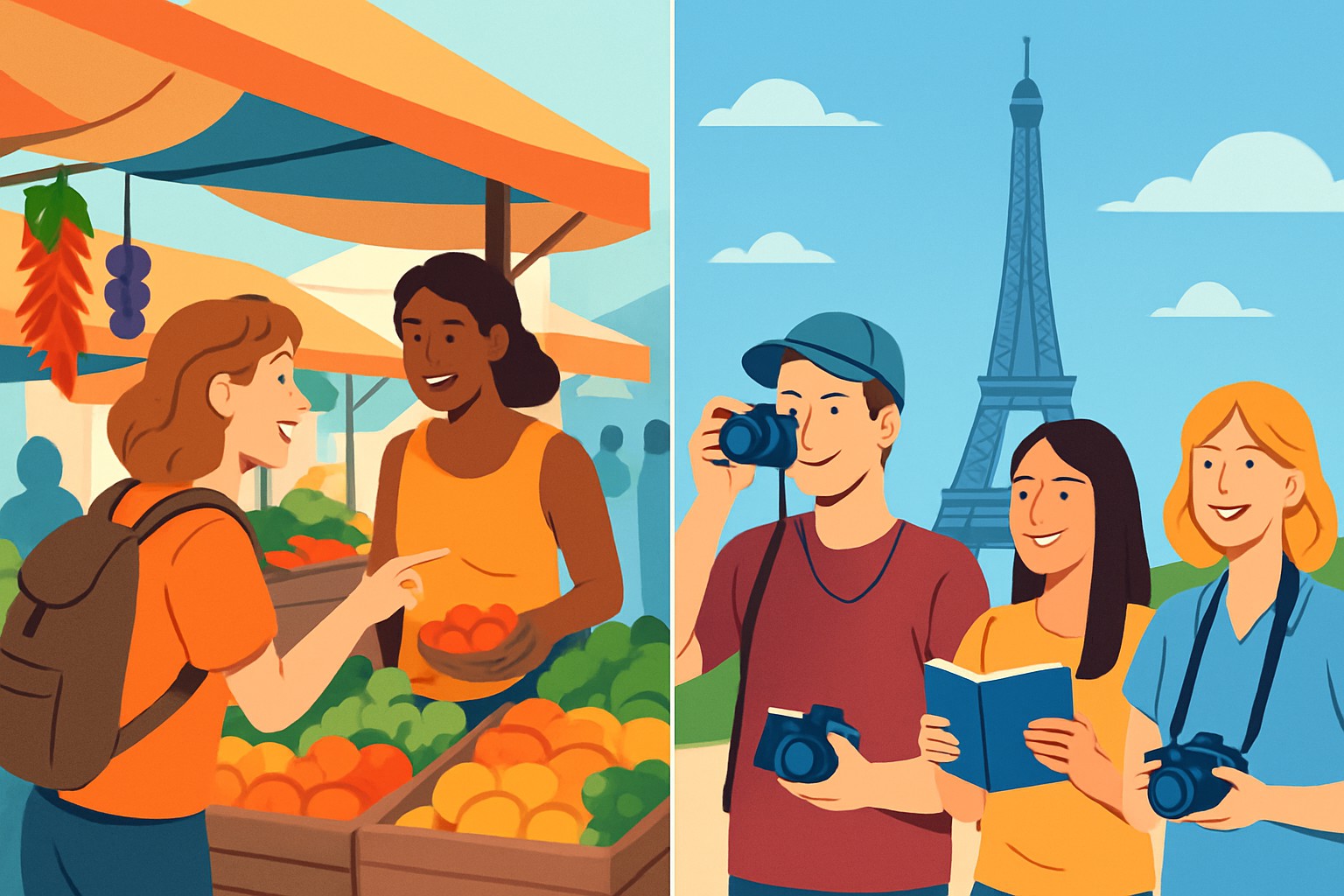
The whole traveler vs tourist debate has been buzzing around the globe for quite a while now and sparking lively chats about what truly makes travel meaningful. Getting a handle on this distinction can shed light on your travel style, what you’re hoping to take away from the journey and the kinds of experiences that might come your way.
Traveler versus Tourist Getting to the Heart of What Sets Them Apart
Travelers often dive headfirst into new surroundings craving authentic cultural experiences and usually keep an open mind with flexible go-with-the-flow plans. Tourists, by contrast, tend to stick to the beaten path—following well-known routes and itineraries. They often focus on popular attractions and the ease of convenience rather than truly immersing themselves in local culture or communities.
Attribute
Traveler
Tourist
Mindset
Open-minded, curious, and adaptable
Mostly sticks to plans and values convenience
Purpose
Diving headfirst into culture and local life
Looking to kick back and tick off the famous spots
Planning Style
Goes with the flow, leaving room for surprises
Follows a neatly laid out schedule, no detours
Interaction Level
Builds genuine connections with locals
Mostly chats with service staff and guides
Duration
Often lingers longer, exploring multiple spots
Usually shorter trips focused on the highlights
Activities
Hunts down unique, off-the-beaten-path experiences
Prefers popular attractions and guided tours
Round 1 Getting to the Heart of Purpose and Motivation
Understanding why people travel really helps clear up the difference between travelers and tourists. Travelers usually dive headfirst into cultural experiences and seek personal growth. They crave a real heartfelt connection with a place.
Travelers often find themselves tugged by a genuine curiosity about different cultures and a real desire to learn through authentic experiences.
Many are eager to break free from the same old routine and crave the thrill that comes with the unpredictable twists of new places.
Venturing beyond the usual guidebooks can truly spark a traveler’s passion for uncovering hidden gems.
Tourists tend to seek out social moments in well-worn settings and familiar hotspots, where the vibe feels just right.
The chance to kick back and enjoy without a care in the world is a big draw for people hitting the road.
Tourist motivation often centers on checking off the famous sights and sticking to carefully planned activities—sometimes it’s the comfort of the known that wins out.
Round 2 Diving Into Planning and Itinerary Styles
Travelers often like to keep things flexible and leave room for spontaneous detours and delightful surprises that pop up when you least expect them. They tend to dive headfirst into research and hunt down hidden gems most people would overlook. Tourists usually stick to well-trodden paths like set itineraries, travel packages or guided tours designed to keep things smooth and comfy.
Travelers sometimes spend weeks or months digging around to uncover one-of-a-kind experiences rather than just ticking off the usual tourist hotspots.
Tourists often go the safe route by booking through travel agencies or package tours because they like their plans predictable.
Travelers usually keep things flexible and ready to pivot based on a local's tip or a serendipitous find.
Tourists commonly stick to a fixed daily itinerary to make sure they check off all the big-name attractions.
Travelers tend to trust recommendations from locals more than usual commercial sources, valuing those insider tips.
Round 3 Engagement and Experience let us dive in and see what unfolds
What sets travelers apart from tourists is often how deeply they dive into the local culture. Travelers make a genuine effort to connect with locals and maybe pick up a few phrases in the language or dialect. They savor authentic food and even join in on cultural rituals. Tourists, on the other hand, usually stick to well-trodden landmarks and prearranged activities.
Travelers often dive headfirst into local traditions and fully immerse themselves in community life whenever they can.
They tend to pick up a handful of basic phrases or local slang because nothing breaks the ice like a well-timed hello in the native tongue.
Venturing off the beaten path usually reveals hidden cultural and natural treasures you will not find in a guidebook.
Some travelers take it a step further by volunteering or helping with local projects to make their trip more meaningful.
Tourists often rely on guidebooks and apps and sometimes miss out on richer face-to-face experiences.
When dining, travelers usually lean towards authentic family-run eateries instead of touristy spots to chase genuine home-cooked flavor.
"> “Travel often isn’t just about the destination itself, but about how deeply and genuinely you connect with the world swirling all around you.” – Author Unknown
Round 4 Impact and Responsibility Getting Real About Our Footprint
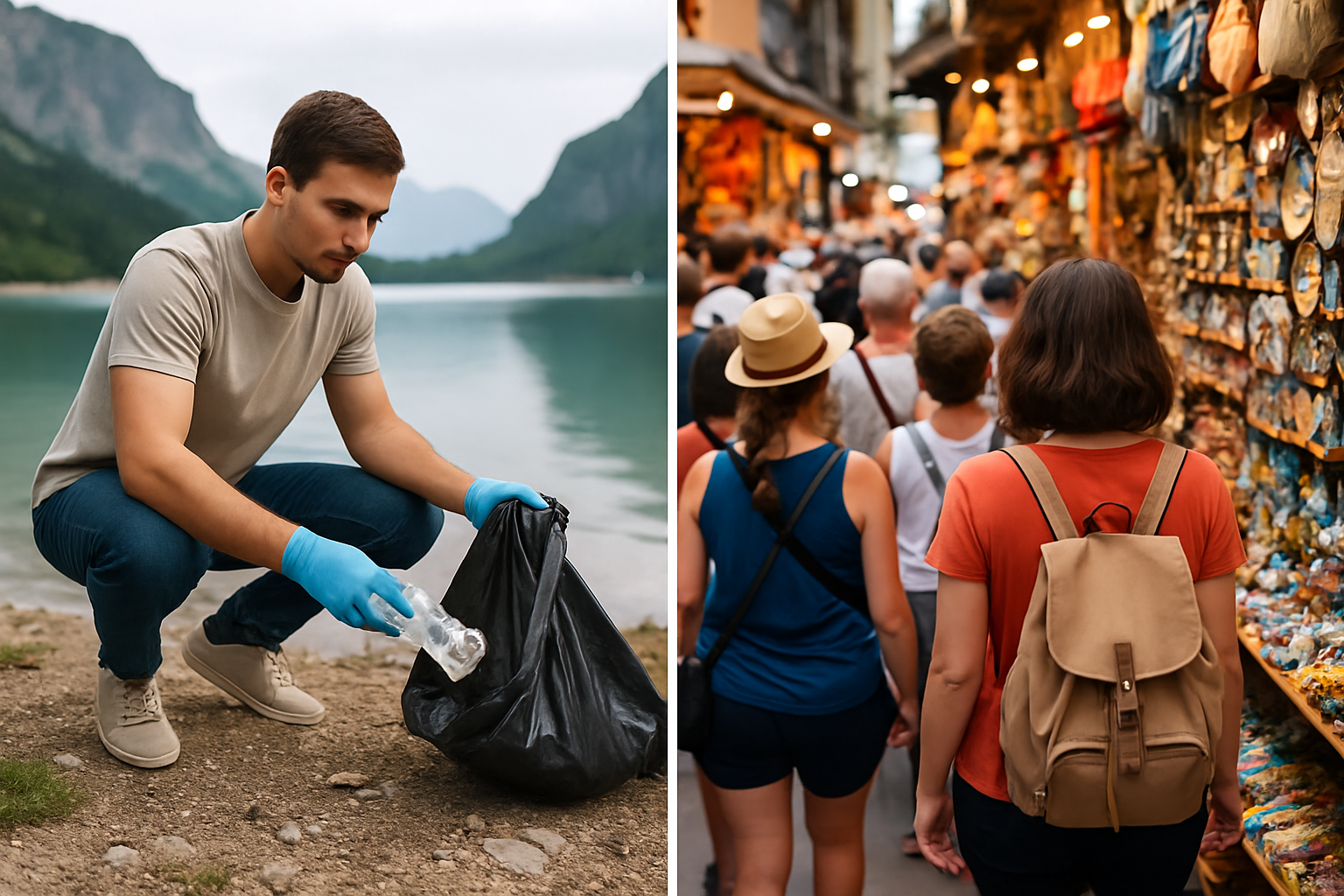
Travelers these days tend to be more tuned in to their environmental and social footprints and make an effort to travel in ways that feel both sustainable and ethical. More often than not they put a spotlight on supporting local economies and showing genuine respect for cultural customs. Tourists, meanwhile, aren’t exactly villains—far from it—but they can sometimes unintentionally add fuel to the overtourism fire or generate extra waste and cause economic leakage by leaning heavily on global chains and usual mass tourism setups.
Travelers often zero in on sustainable travel by cutting down waste and choosing eco-friendly options whenever possible. It’s like trying to leave a lighter footprint on this big beautiful planet.
They also make a genuine effort to understand and respect local customs to avoid awkward cultural blunders that can happen if you’re not paying attention.
Many travelers place a lot of heart into supporting local businesses and artisans because that’s where the real authentic stories come from.
Many set their sights on leaving a positive social impact and sometimes roll up their sleeves to dive into volunteer work—it’s not all just sightseeing and photos.
Tourists often lean toward convenience and frequently choose multinational brands over local vendors. This can be a missed opportunity to really connect.
Photo illustrating responsible traveler behavior contrasted with typical tourist activities
Round 5 Budget and Timeline Crunch Time Approaches
Travelers tend to sketch out their budgets differently by leaning toward experiences and stretching their stays longer rather than splurging on fancy hotels or the easiest routes. They usually spend their money on local transport and authentic meals that tell a story. They also enjoy one-of-a-kind activities you can’t find in a guidebook. Tourists often keep their trips shorter and sweeter while focusing on comfort. They are more likely to pay for swanky hotels, organized tours, and travel options that make important convenience over saving money.
Budget Category
Traveler (Average % of Total)
Tourist (Average % of Total)
Accommodation
25% (mostly crashing in guesthouses and hostels)
40% (preferring the comfort of hotels and resorts)
Food
20% (digging into local markets and cozy eateries)
25% (enjoying meals at restaurants and popular chains)
Transport
25% (getting around via public and local transport)
20% (opting for taxis and transfers, avoiding the hassle)
Activities & Tours
20% (diving into immersive, budget-friendly experiences)
10% (signing up for guided tour packages without the guesswork)
Souvenirs & Shopping
10% (snagging handicrafts and authentic local goods)
5% (picking up mass-produced souvenirs that fill your suitcase)
Typical Trip Duration
2 weeks to several months—plenty of time to soak it all in
1 to 2 weeks, just enough for a whirlwind adventure
Round 6 Growth and New Perspectives Where things start to click and fresh ideas bloom
Travel has this incredible knack for sparking personal growth, although just how much people change can really vary from one traveler to the next. Many find themselves shifting perspectives in meaningful ways, especially when they tackle unexpected challenges or dive headfirst into new cultures—it’s like a crash course in adaptability and empathy.
Travelers often discover surprising new facets of themselves when they dive into unfamiliar surroundings and sometimes catch themselves off guard.
Along the way they tend to build a sturdy reserve of patience and hone their problem-solving skills especially when juggling unexpected twists and turns.
A humble appreciation often blossoms from soaking in the rich tapestry of cultures far beyond their usual daily groove.
Over time their cultural awareness deepens and usually sparks a heartfelt sense of global empathy that sticks with them.
Travelers gradually get better at embracing uncertainty and change while managing not to get completely overwhelmed—though it’s not always a walk in the park.
A Quick Look at the Key Differences
Travelers often crave deep immersive experiences that spark personal growth and the freedom to wander at their own rhythm. Tourists usually lean towards convenience, relaxing and ticking off the big-name attractions on their list.
So, Are You Really a Traveler or Just a Tourist
Think about what really matters to you when you hit the road. If you thrive on cultural immersion and the thrill of flexibility or prefer the comfort of a well-planned guided tour where everything flows smoothly and you can relax, keep your budget, schedule, and personal goals front and center as you mull this over.
Final Thoughts on Traveler vs Tourist Wrapping It All Up
Neither traveler nor tourist holds the crown of being better. Each brings its own charm and strengths depending on the situation and what you are after. If you are itching to dive deep into culture and personal growth, thinking like a traveler might add that extra layer of magic to your trip. On the flip side, if you are all about comfort, kicking back or ticking off sights efficiently, letting your inner tourist take the wheel could be the way to go.
Frequently Asked Questions
Can I be both a traveler and a tourist on the same trip?
Absolutely. Most people actually blend the two styles. You might spend a few days ticking off the major sights on a guided tour then slip into your own rhythm by wandering local neighborhoods and cozy cafes. The trick is knowing when to kick back and enjoy some comforts versus when to roll up your sleeves and dig deeper. That way your trip feels balanced and genuinely satisfying.
How can I start traveling more like a 'traveler' if I am used to package tours?
Start small with some wiggle room in your itinerary. Instead of booking every minute on a guided tour, carve out a free day just to see where the wind takes you. Grab a bite at a spot off the beaten path, hop on local transport for a short spin or strike up a chat with a shop owner. These little steps help build your travel confidence and slowly nudge you toward richer, more immersive experiences.
Is the 'traveler' style more expensive than being a 'tourist'?
Not necessarily. Tourists often shell out extra for the convenience of packages and swanky hotels while travelers might chill in one place a bit longer which can bring daily costs down. Travelers usually lean toward budget-friendly authentic picks like street food, local homestays and free walking tours. It’s more a shift in where your money goes—less luxury, more local flavor and longer stays.
Does being a responsible traveler mean I should never visit popular landmarks?
No way. Checking out famous sites is definitely part of the adventure. Responsible travel is more about the how than the if. Aim to visit when crowds thin out, hire local guides, stick to the rules and mix in some quieter spots. The idea is to lighten your footprint while still soaking in the must-see highlights a place has to offer.
What is one simple change I can make to have a more immersive experience?
Learn a few basic phrases in the local language like 'hello,' 'thank you' and 'please.' This small gesture can totally change how people respond and show you’re respectful and open. More often than not it invites warmer welcomes, sparks genuine conversations and opens doors to insights you’d miss otherwise—turning a simple exchange into something quite memorable.